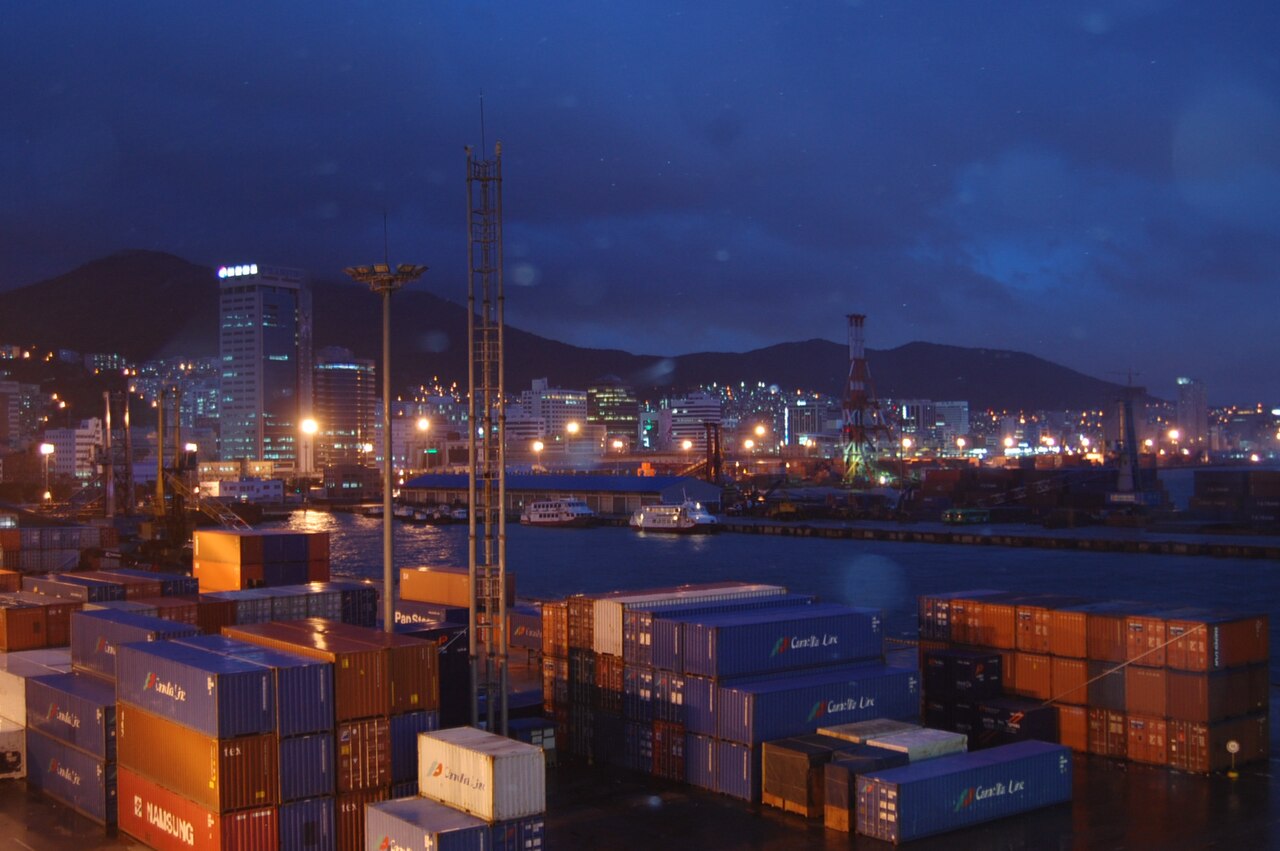
Overseas Sourcing
Supplier relationships are maintained across multiple regions, with sourcing decisions based on quality, reliability, and consistent lead times.
Vin Vin Trading Inc operates out of downtown Los Angeles' fashion and wholesale district, sourcing goods overseas and moving them into the domestic wholesale market.
Moving goods from an overseas supplier to a domestic wholesale buyer touches sourcing, shipping, warehousing, and relationship management all at once.
Supplier relationships are built and maintained across multiple regions rather than a single source market.
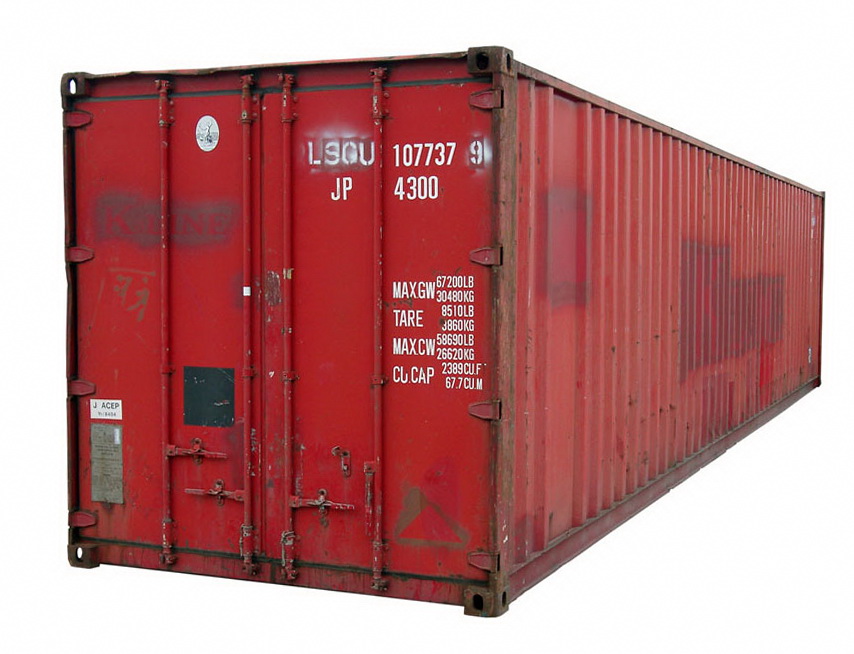
Container shipments are tracked from origin port to domestic warehouse, with documentation handled at each step.
Goods are sold in bulk to wholesale buyers rather than through direct retail channels.
Repeat wholesale accounts are prioritized over one-off transactions whenever possible.
A rough breakdown of the stages a shipment passes through before reaching a wholesale buyer.
Vin Vin Trading Inc operates from South San Pedro Street, in the middle of downtown Los Angeles' dense wholesale and fashion trading district.
That location matters practically — it puts the business close to buyers, showrooms, and the broader logistics network that keeps goods moving through the district.
Read our full story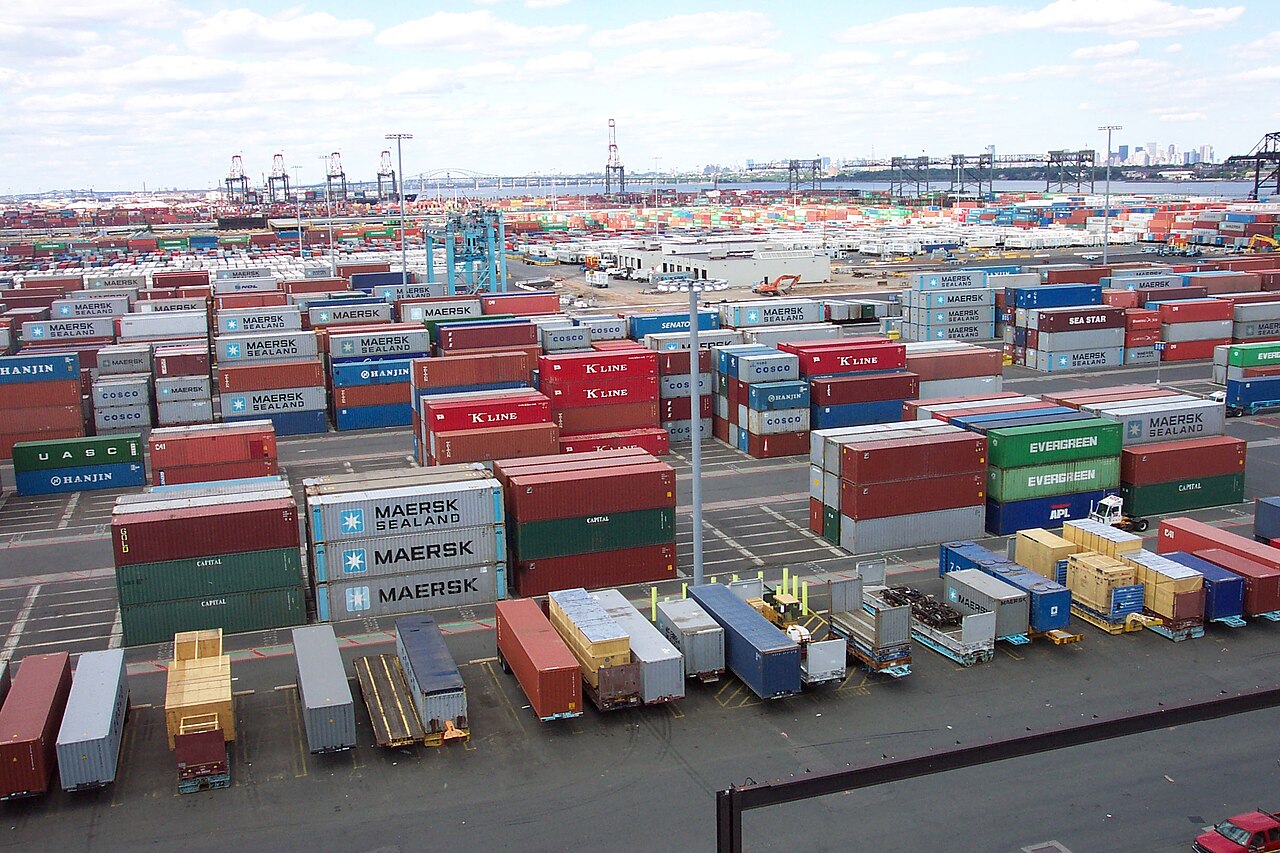
South San Pedro Street sits inside one of the busiest wholesale corridors in Los Angeles, putting the business within walking distance of buyers, showrooms, and complementary suppliers.
That proximity shortens a lot of the back-and-forth that would otherwise slow down sourcing decisions and order fulfillment.
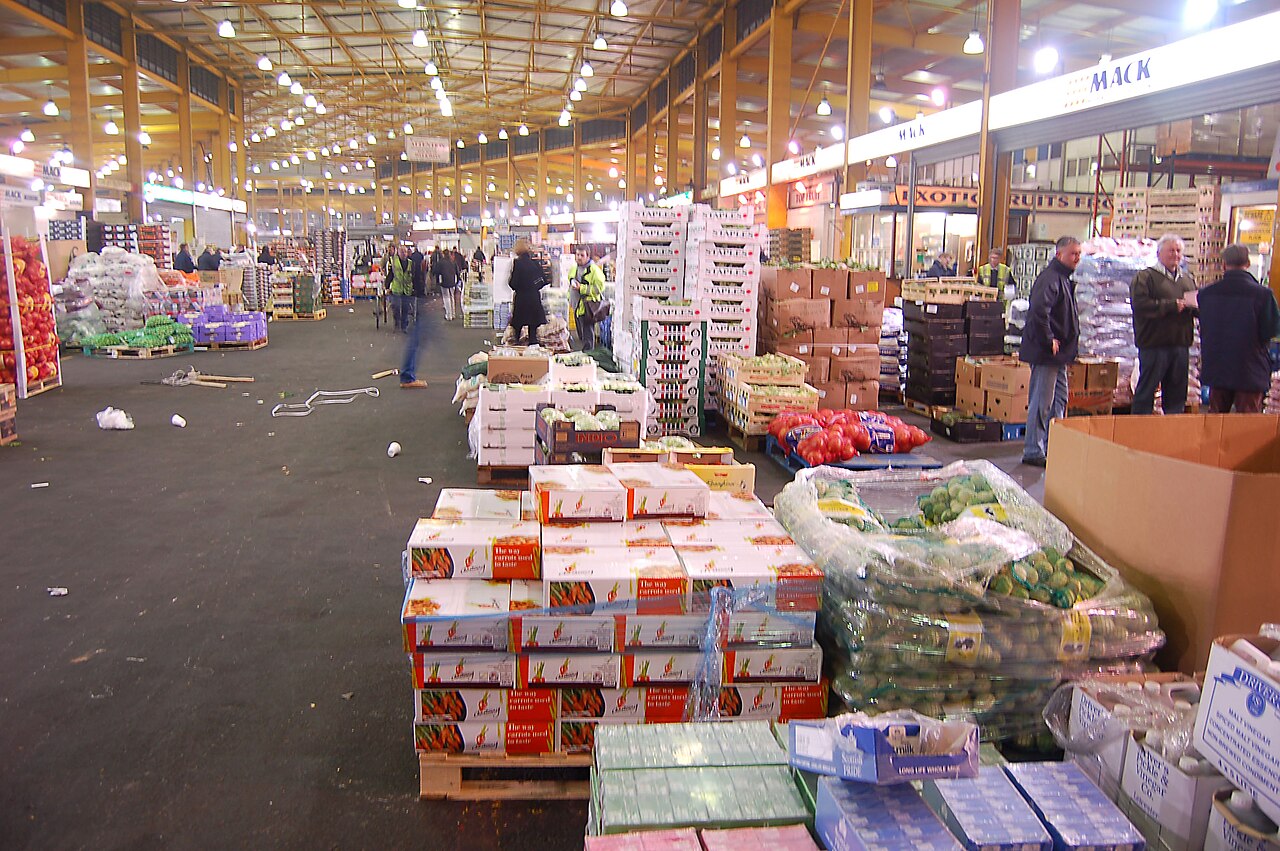
Between sourcing overseas, coordinating freight, and managing warehouse inventory, a lot can go wrong between a supplier and a buyer if any one step is handled loosely.
Keeping each stage under closer, direct oversight is part of how the business tries to keep lead times predictable for wholesale accounts.
Each stage of the supply chain is handled directly rather than outsourced to disconnected intermediaries.
Supplier relationships are maintained across multiple regions, with sourcing decisions based on quality, reliability, and consistent lead times.
Container shipments are coordinated from origin to a domestic port, with customs documentation handled at each stage of the journey.
Incoming inventory is received, checked, and stored ahead of distribution, keeping stock levels ready for wholesale orders.
A short list of habits behind how supplier and buyer relationships are managed.
Relationships across multiple supplier regions reduce reliance on any single source market.
Shipments are tracked from origin to warehouse rather than handed off blindly to freight partners.
Repeat wholesale accounts are prioritized over chasing one-off transactions.
Stock levels are checked regularly to avoid both shortages and overextended storage.
Wholesale buyers and prospective suppliers are welcome to reach out to discuss current inventory and terms.